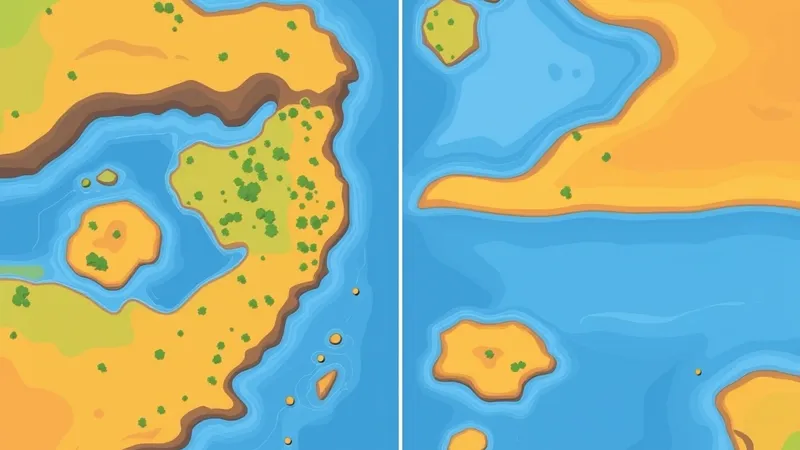
Okavango Delta Ecology: Marshlands and Seasonal Floodplains
Permanent marshlands, seasonally flooded plains and biological cycles in north-west Botswana.
Table of Contents
The Okavango Delta in north-west Botswana comprises permanent marshlands and seasonally flooded plains. UNESCO’s Okavango Delta description identifies these two habitat types, while its account of the delta’s ecology describes native plants and animals synchronising their biological cycles with seasonal rains and floods. Together, these points explain why both persistent wetlands and seasonal flooding matter to the delta’s ecology.
How do permanent marshlands differ from seasonally flooded plains?
The distinction in UNESCO’s description concerns the permanence or seasonality of wetland conditions:
- Permanent marshlands: the enduring marshland component of the delta.
- Seasonally flooded plains: plains subject to seasonal flooding rather than described as permanent marshlands.
Both belong to the same delta landscape. Describing the Okavango only as a permanent wetland would leave out its seasonally flooded plains; describing it only through seasonal flooding would overlook its permanent marshlands.
These broad habitat terms do not specify water depths, the proportion occupied by each habitat or visitor access.
Where does the Okavango Delta’s water drain?
According to the UNESCO decision concerning the Okavango Delta, its waters drain into the desert sands of the Kalahari Basin.
This inland destination helps place the wetlands in their wider geographical setting. The permanent marshlands and seasonally flooded plains are parts of a delta whose waters drain into desert sands. That drainage description is distinct from a forecast of when or where flooding will occur.
How are plants and animals connected to seasonal floods?
UNESCO’s account of native biological cycles describes plants and animals synchronising those cycles with seasonal rains and floods. Seasonal water patterns are therefore not simply a change in the landscape: they are connected to the rhythms of native life.
This is an ecological relationship, not a wildlife-viewing forecast. It does not establish particular sightings, specific breeding events or a month-by-month schedule for visitors.
How can this ecology guide inform further Botswana reading?
Keep Maun/Okavango, Moremi and Kasane/Chobe distinct when reading about Botswana’s safari gateways. They are not interchangeable, and Gaborone is an urban stop rather than a substitute safari gateway. The delta’s habitat description alone does not establish current access or activity availability.
Botswana Travel Guide is an independent editorial affiliate guide, not a tour operator.
FAQ: Understanding the Okavango Delta’s ecology
Is the entire Okavango Delta permanently flooded?
UNESCO describes both permanent marshlands and seasonally flooded plains, rather than an entirely permanently flooded landscape.
Where does the delta’s water drain?
Its waters drain into the desert sands of the Kalahari Basin.
How do seasonal floods relate to plants and animals?
UNESCO describes native plants and animals synchronising their biological cycles with seasonal rains and floods.
Does this habitat description tell me what wildlife I will see?
No. These ecological descriptions do not establish wildlife sightings or current visitor conditions.
For the wider destination context, read our comparison of Chobe and the Okavango Delta.
Sources
The source records below are dated 14 October 2026. They support the ecological descriptions, not current travel conditions.
Before You Go: Quick Planning Checklist
- Check the weather and current local conditions for your travel dates.
- Confirm your departure base, pickup and onward transfers.
- Book your tour and hotel with flexible options when possible.
- Read local safety guidance before excursions.